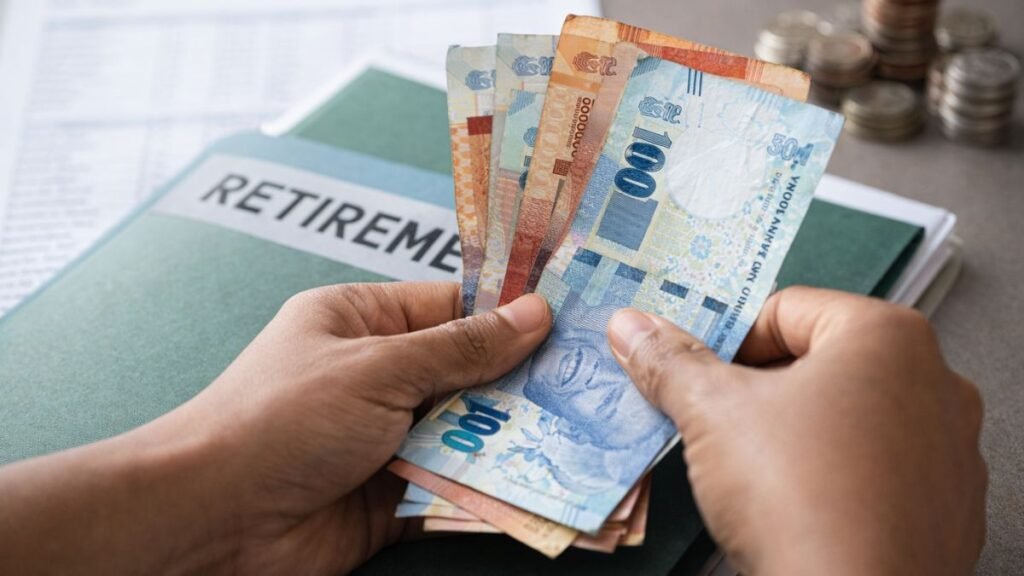
South Africa’s National Treasury is considering a significant policy shift that could allow limited emergency access to retirement funds currently locked until retirement.
The proposal, still in early discussion stages, aims to provide relief to individuals facing severe financial hardship—while maintaining strict safeguards.
Proposed Changes to Retirement Fund Access

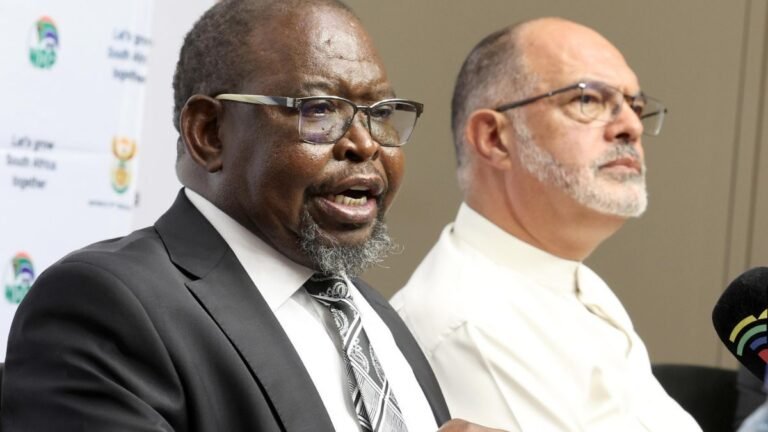
Chris Axelson, Deputy Director-General for Tax and Financial Sector Policy at the Treasury, revealed that discussions around potential reforms are expected to begin later this year.
According to Axelson, the government is exploring the possibility of allowing access to the retirement portion of pension funds, but only under very strict financial distress conditions.
This marks a potential change to South Africa’s current retirement framework, which prioritizes long-term savings preservation.
Understanding the Two-Pot Retirement System

South Africa introduced the two-pot retirement system in September 2024 to balance immediate financial needs with long-term savings goals.
Under this system:
- One-third of retirement contributions goes into a savings pot, accessible once per year
- Two-thirds is allocated to a retirement pot, which is preserved until retirement
Withdrawals from the savings pot are taxed at the individual’s marginal tax rate, discouraging unnecessary withdrawals.

Currently, the retirement pot remains strictly inaccessible until retirement age, regardless of job changes, resignation, or financial hardship. The only exception is when an individual ceases to be a South African tax resident.
Why the Government Is Reconsidering Access
While no official reason has been confirmed, growing financial pressure on older South Africans is likely driving the discussion.
Recent data from consumer analytics firm Eighty20 shows a worrying trend:
- Loan defaults among individuals aged 65 and older are rising
- This contrasts with declining default rates across the broader population
Andrew Fulton, director at Eighty20, noted that defaults among older consumers are increasing rapidly, highlighting the financial strain faced by retirees.
Retirement Concerns Are Growing
The broader outlook for retirement in South Africa is becoming increasingly concerning.
According to research cited by Fulton:
- Only 10% of South Africans believe they will be able to retire comfortably by age 60
This lack of confidence reflects deeper issues within the retirement system, including insufficient savings and rising living costs.
Risks of Early Access to Retirement Funds
While emergency access may provide short-term relief, experts warn of serious long-term consequences.
Fulton emphasized that many individuals are already:
- Withdrawing from their savings pots
- Failing to replenish those funds
This behavior could significantly weaken financial security in retirement.
Additionally, rising costs—particularly healthcare—are putting further pressure on retirees. Medical expenses for older individuals are increasing at nearly double the rate of inflation, making financial planning even more challenging.
Surge in Withdrawals Highlights Financial Strain
Early data from the two-pot system reveals strong demand for accessing funds:
- Over 100,000 South Africans have already withdrawn from their savings pots in the 2026/27 tax year
- More than 140,000 claims were submitted in the first week of March alone
- Approximately 84,000 payments were processed quickly
Vickie Lange from Alexforbes noted that the first claim was submitted just minutes after the new tax year began, reflecting urgent financial needs.
The company also recorded over 1.3 million digital platform logins, indicating widespread engagement and demand.
What Happens Next?
The Treasury is expected to begin formal discussions later this year, focusing on how to structure emergency access without undermining long-term retirement security.
Any changes would likely include:
- Strict eligibility criteria
- Limited withdrawal conditions
- Safeguards to protect future savings
The possibility of emergency access to retirement funds reflects the growing financial pressures facing South Africans, particularly older individuals.
While such a move could provide much-needed relief in times of crisis, it also raises concerns about long-term financial stability.
Striking the right balance between immediate support and future security will be critical. As discussions progress, policymakers will need to ensure that any reforms address urgent needs without compromising the financial well-being of future retirees.